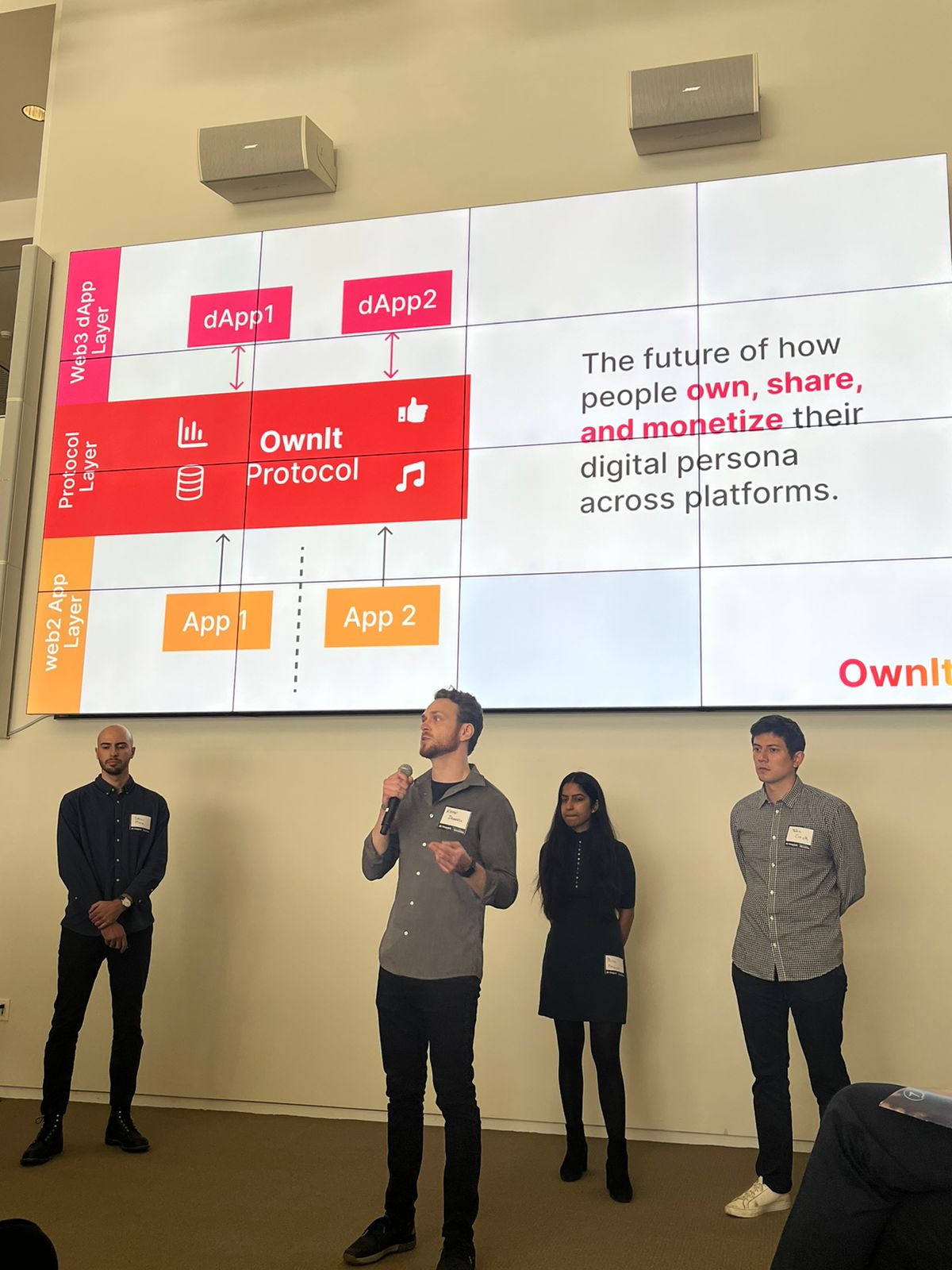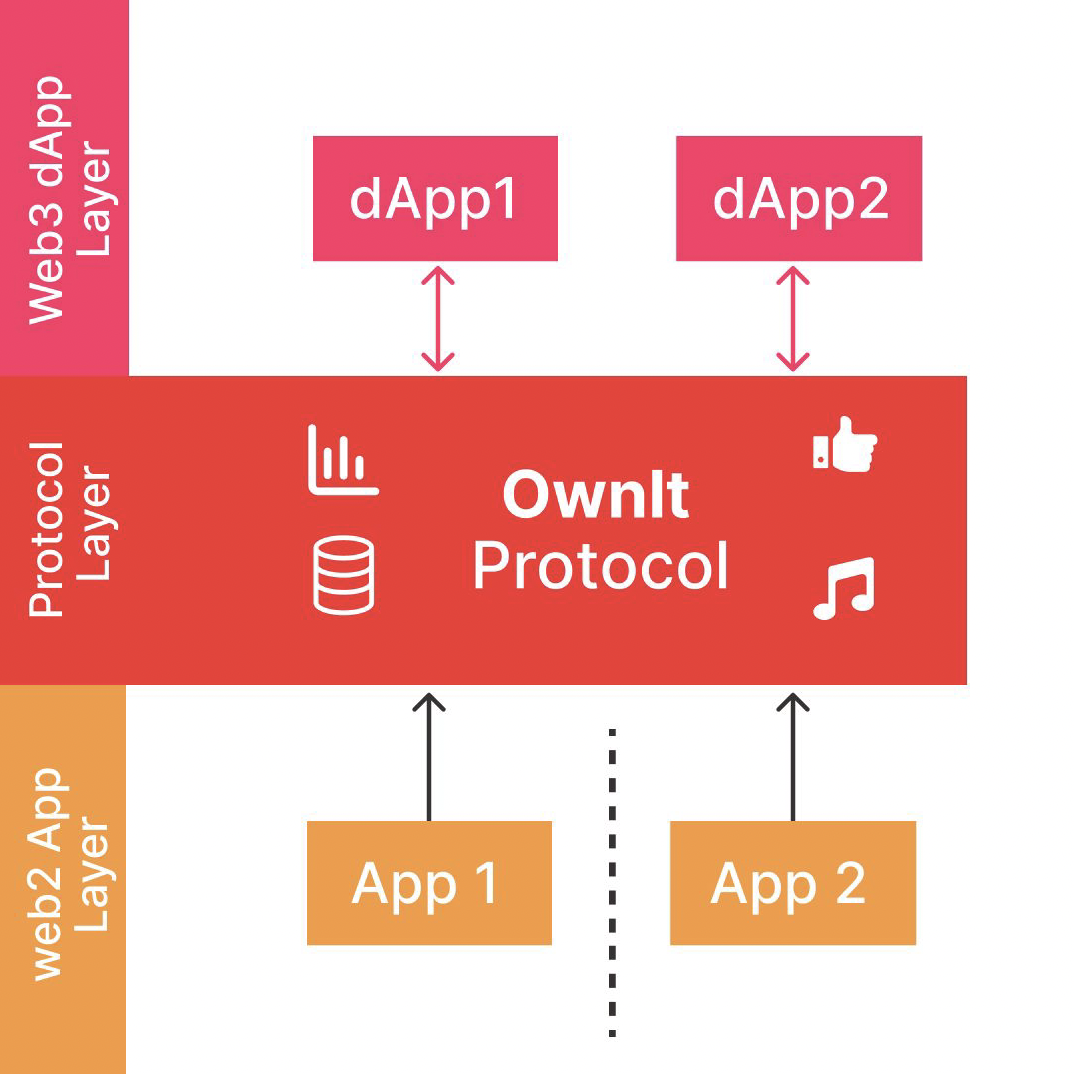
OwnIt is a decentralized identity and data ownership platform designed to give individuals control over their digital reputation across online ecosystems. It addresses a growing disconnect between how people participate online and how their data, identity, and reputation are fragmented across platforms.
Today, users accumulate value—social, behavioral, reputational—inside closed systems. When they move to a new platform, that value is lost. OwnIt changes this by enabling people to carry their digital identity, reputation, and history with them in a privacy-preserving way.
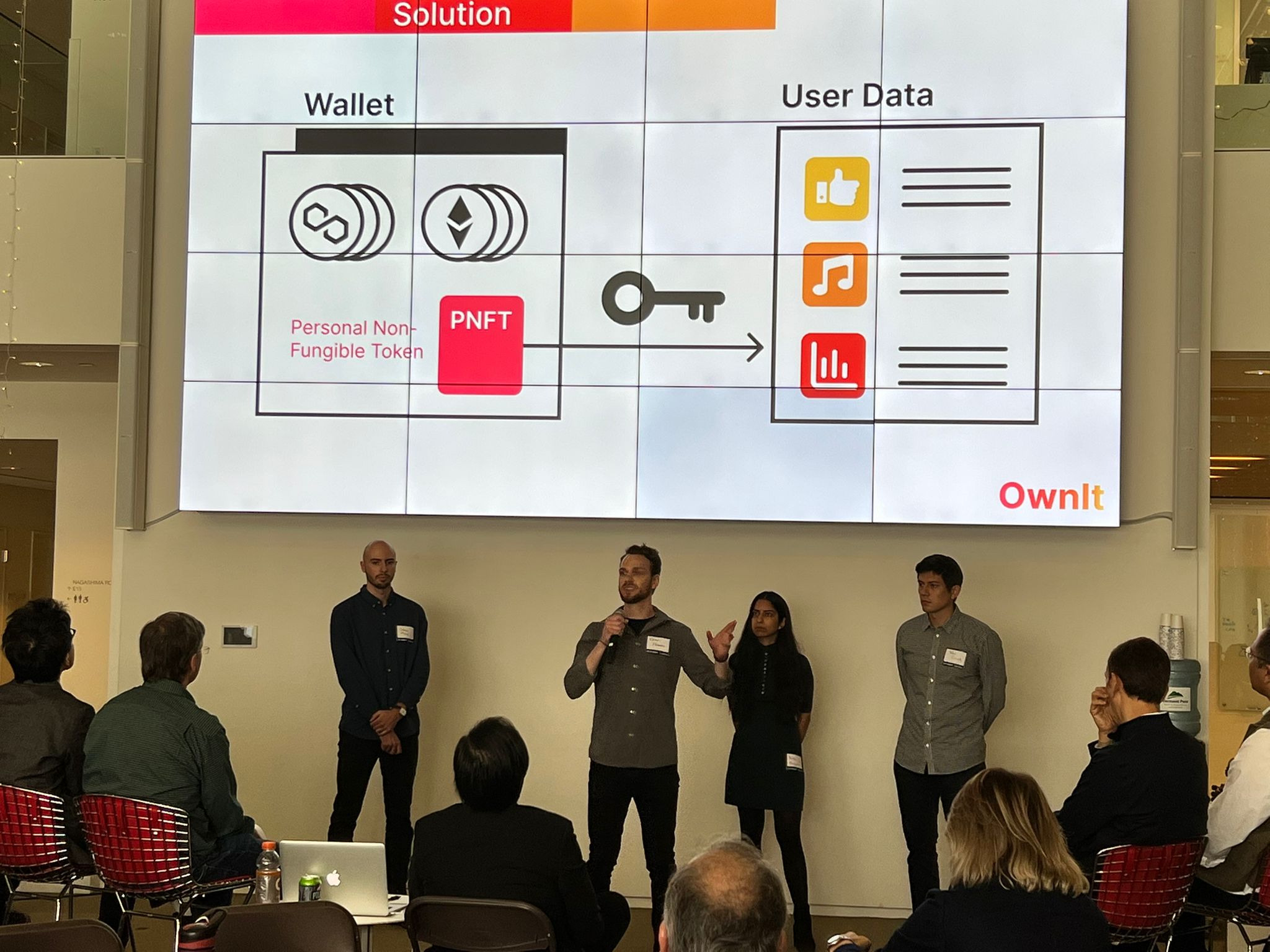
At the core of OwnIt is the concept of a Personal Non-Fungible Token (PNFT): a cryptographic representation of an individual’s digital footprint. Unlike speculative NFTs, a PNFT does not represent a collectible. Instead, it acts as a secure, user-controlled key to personal data stored off-chain. Individuals choose when, how, and with whom to share aspects of their identity, enabling personalization without centralized surveillance.
The system was designed to address a real-world problem observed across Web2 and Web3 ecosystems. Whether it’s fitness data locked inside proprietary platforms, reputation trapped within a single community, or contribution history fragmented across apps, users are unable to carry their digital selves with them. OwnIt makes identity portable, composable, and user-owned.
From a platform perspective, OwnIt enables new forms of onboarding and personalization without requiring companies to build or maintain invasive data infrastructure. For communities and applications, this means higher-quality engagement, improved trust, and a path toward interoperable ecosystems. For users, it means sovereignty over their data and the ability to selectively share value across contexts.
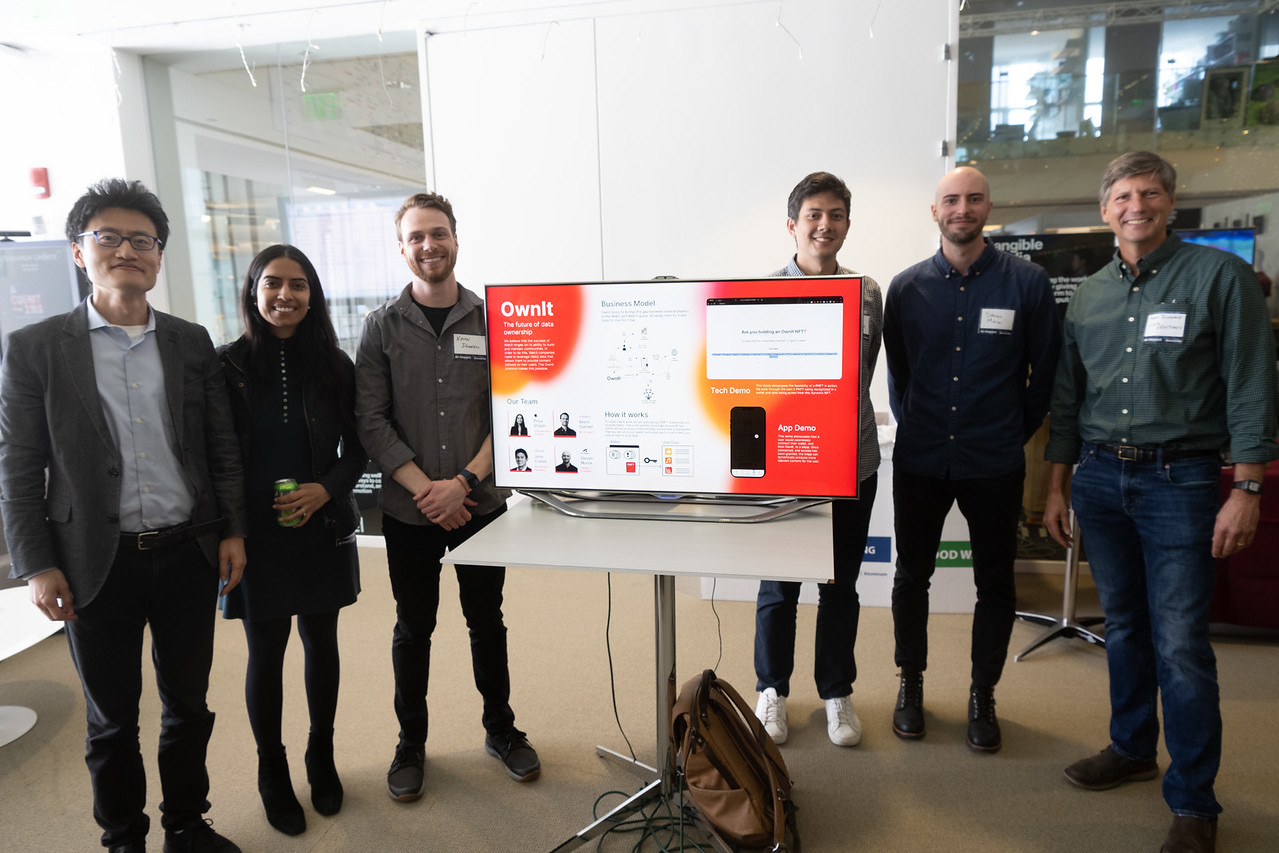
The project was developed by a multidisciplinary team spanning product, engineering, and design, with experience across Web3 infrastructure, machine learning, and human-centered systems. Our prototype won first place in a pitch competition, validating the idea that the future of the internet should be built on user agency rather than extraction.